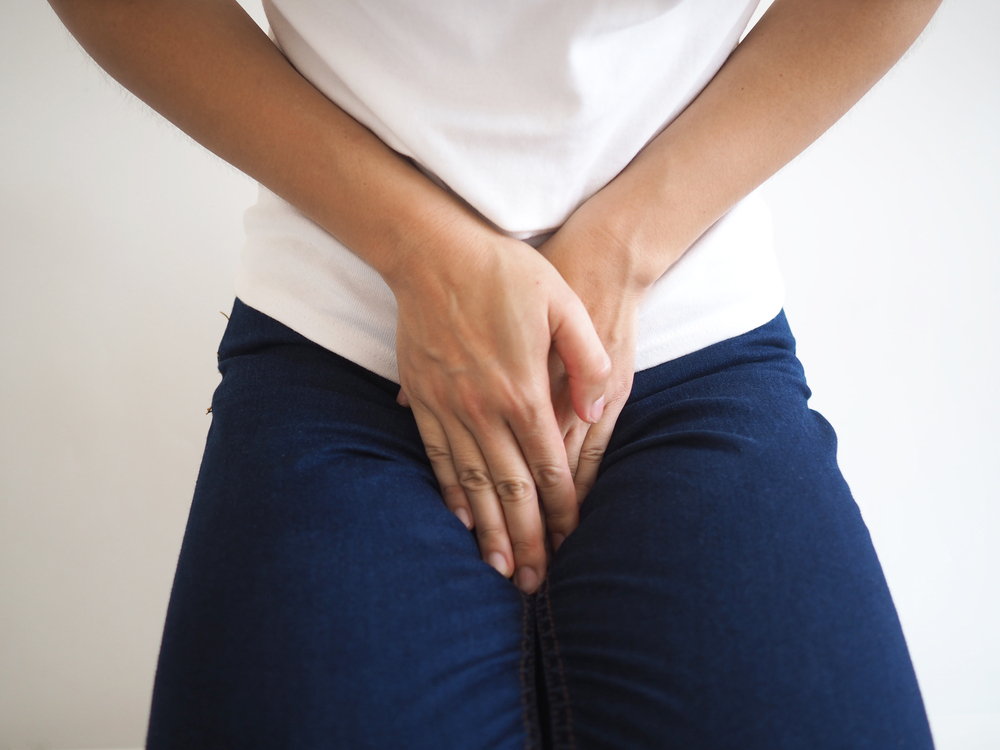
Is Bladder Leak Permanent After Childbirth?
Structured-content As a result, even more damage can be done to the cells, perhaps resulting in long-lasting damage and eventual incontinence. Incontinence-- when the body can't control peeing, either partly or entirely-- is extremely typical while pregnant and postpartum. While pregnant, it's an outcome of included weight and pressure on the bladder and pelvic floor, and can proceed or worsen after delivery if there's substantial tearing during birth. When gynecologists see ladies for troubles of urinary incontinence, we are not stunned to discover one of the most severe troubles usually in those women that had several kids or that supplied huge babies. Just recently physicians began working out the information of these connections and are searching for the particular reasons why some ladies take place to develop urinary incontinence and other women never ever have this problem. Incontinence happens to greater than one-third of ladies throughout their first pregnancy, and more than three-quarters throughout a second or third pregnancy. Research studies have found it's even more common when substantial tearing takes place during birth. High, moderate and reduced danger of bias was considered to be existing in 1, 26 and 4 research studies respectively. Risk-of-bias items with the most affordable ratings were 8 and 9, and risk-of-bias things with the highest scores were 1 and 3. It's never ever too late to start boosting toughness, endurance, and flexibility. Pelvic flooring muscular tissues are part of your core, in addition to the deep abdominals and lower back. This whole system requires toughness and security to keep you pain-free and energetic. You can also get pads or safety underwear while you take various other actions to deal with urinary system incontinence. These are sold in several shops that likewise sell womanly hygiene products like tampons and pads. Also, like all muscular tissues, the bladder and urethra muscular tissues shed some of their strength as you grow older. You may experience this loss of bladder control while giggling, sneezing, coughing or carrying out a laborious activity, and it's extremely typical after delivering. Actually, it's estimated that about fifty percent of adult females might experience postpartum urinary incontinence. A secondary goal was to provide a review of the evaluation methods home-based incontinence treatment and outcomes for trouble in relation to UI as used in included studies.
- Yet preventing your precious running falls short to repair foundational instabilities perpetuating problems lasting.
- Pregnancy itself weakens the pelvic flooring before distribution, and the weight of the child still puts extended pressure on the pelvic location.
- You and your baby have to stay moistened by drinking at least six to eight glasses of fluids daily to keep a healthy and balanced pregnancy.
- This is because reproductive wellness events distinct to women, like pregnancy, childbirth, and menopause, impact the bladder, urethra, and other muscle mass that sustain these body organs.
How Is Urinary System Incontinence Identified?
Urinary incontinence can mean you leak a small amount of urine or launch a great deal of pee at one time. Urinary incontinence is uncontrolled urine leakage, and postpartum incontinence is leakage that establishes after giving birth. If you have pelvic pain, bladder, digestive tract, or various other pelvic signs that are affecting your lifestyle, you can get the relief you have actually been seeking with Joint Health and wellness's on the internet exercise treatment program. Some individuals may additionally establish impulse urinary incontinence after having a baby. This sort of urinary incontinence is marked by a sudden, extreme urge to pee, followed by leakage-- sometimes without much warning and despite exactly how complete your bladder is.What does postpartum urinary incontinence seem like?
Around 1 in 3 women experience urinary incontinence after having a child. After delivering, you might leak pee when you laugh, cough, sneeze, lift something or exercise. Pregnancy hormonal agents, the weight of your womb and having a vaginal birth can all extend the pelvic floor muscular tissues that sustain your bladder.
Sign Up With A Support System
The occurrence of UI in primiparous and multiparous ladies approximately 3 months was 9.0-- 21.9% and 4.4-- 30.0%, respectively. Amongst the 1063 papers at first recognized, 31 met the qualification standards (Fig. 1), leading to an overall of 38,209 participants. All consisted of studies were observational (20 mate studies [5, 11, 12, 22-- 38] and 11 cross-sectional studies [39-- 49] and released between 1998 and March 1, 2020. Research studies were left out based upon poor research study style, research populace, non-Western nations, outcome, follow-up or language. Twenty-nine research studies reported on prevalence and/or occurrence figures and two research studies only reported on occurrence numbers.Physical Treatment
Both maternity and giving birth placed a stress on these muscular tissues, usually bring about temporary or lasting loss of bladder control. Pelvic instructors are vaginal tools created to aid you enhance and collaborate your pelvic flooring muscles by supplying real-time biofeedback. Utilizing a pelvic trainer during pelvic floor muscle training provides you instant feedback so you can see and really feel the toughness and high quality of your muscle contraction. This guidance can assist guide your pelvic exercises and improve signs of urinary incontinence. Postpartum urinary system incontinence is common, however it's not something you just have to live with. Gentle pelvic floor stretches, targeted workouts, and way of living modifications can help improve bladder control after birth.